Every year, thousands of Australian workers are injured or killed at work. Behind these statistics are families devastated, careers ended, and businesses facing significant consequences. Yet many of these incidents are preventable through proper implementation of safety measures. Understanding why safety measures matter and the tangible benefits they provide is essential for creating workplaces where everyone returns home safely at day’s end.
The Human Cost: More Than Just Numbers
The human impact of workplace incidents extends far beyond immediate physical injuries. When safety measures fail or are absent, the consequences ripple through families, communities, and the broader workforce.
Physical consequences: Workplace injuries range from minor cuts and bruises to catastrophic injuries causing permanent disability or death. Falls from height, being struck by moving objects, exposure to hazardous substances, and machinery entrapment represent leading causes of serious injuries across Australian workplaces. The preliminary 2025 data from Safe Work Australia indicates workplace fatalities continue occurring at concerning rates, despite decades of safety improvement efforts.
Psychological impacts: Workers who experience workplace incidents often develop post-traumatic stress disorder (PTSD), anxiety, and depression. Witnessing a colleague’s injury can similarly traumatise workers, affecting their mental health and job performance. The growing recognition of psychosocial hazards in workplace safety legislation acknowledges that psychological harm is as significant as physical injury.
Long-term health effects: Occupational exposures to substances like silica, asbestos, chemicals, and excessive noise may not cause immediate injury but result in debilitating diseases years later. Silicosis, mesothelioma, and noise-induced hearing loss represent preventable conditions that profoundly impact quality of life. The recent national prohibition on engineered stone recognises that some exposures are so dangerous that elimination is the only acceptable response.
Family and community impacts: Serious workplace injuries affect entire families. Spouses may become carers, children lose parental involvement, and household incomes diminish. Communities lose productive members and bear increased health and social service costs.
The Business Case: Financial Implications of Safety
Beyond ethical obligations, robust safety measures make sound business sense. The financial consequences of inadequate workplace safety are substantial and multifaceted.
Direct costs: Workers’ compensation premiums, medical expenses, rehabilitation costs, and potential damages from legal action represent immediate financial impacts. A serious injury can cost businesses hundreds of thousands of dollars, while fatalities can result in multi-million dollar settlements.
Indirect costs: Often exceeding direct costs, indirect expenses include:
- Lost productivity from injured workers and those attending to them
- Training replacement workers
- Investigating incidents and implementing corrective actions
- Damaged equipment and materials
- Increased insurance premiums
- Administrative time managing claims
Research suggests indirect costs can be 4-10 times direct costs, making even “minor” incidents financially significant.
Regulatory penalties: Australian regulators have significantly increased enforcement activity and penalty amounts. Under industrial manslaughter laws now enacted in most jurisdictions, executives can face imprisonment for safety failures resulting in death. Fines for serious breaches can reach millions of dollars, and prosecution costs alone can devastate businesses.
The recent prosecution of Jungheinrich Australia, fined $150,000 for returning forklifts to service with disabled safety systems, demonstrates regulators’ willingness to pursue companies compromising worker safety. The former Port of Auckland CEO’s conviction for breaching due diligence obligations signals that large organisations and senior executives are not immune from accountability.
Reputational damage: In Australia’s connected business environment, safety failures become public knowledge rapidly. Poor safety records damage reputation with customers, employees, investors, and communities. Attracting quality workers becomes difficult when a company is known for safety problems, while existing staff may leave for safer employers.
Business continuity: Serious incidents can halt operations for extended periods during investigations and remediation. For some businesses, particularly small operators, this disruption proves fatal to the enterprise.
Legal and Ethical Obligations: More Than Compliance
Australian businesses operate under comprehensive legal obligations to protect worker health and safety. These obligations reflect society’s expectation that no one should be harmed earning their livelihood.
Primary duty of care: Under WHS legislation, PCBUs must ensure, so far as reasonably practicable, the health and safety of workers. This proactive duty requires identifying and controlling risks before incidents occur. “Reasonably practicable” means taking all measures possible unless they are grossly disproportionate to the risk.
Officer due diligence: Company officers—directors, chief executives, and similar roles—have personal obligations to exercise due diligence in ensuring the organisation meets its WHS duties. The Industrial Relations and Other Legislation Amendment (Workplace Protections) Act 2025 in NSW has expanded enforcement powers and broadened prosecution avenues, increasing personal risk for executives who fail these obligations.
Consultation requirements: Businesses must consult workers about health and safety matters affecting them. This isn’t merely informing workers—it requires genuine engagement in decision-making about safety measures. Queensland’s requirement from March 2025 for worker consultation in developing Sexual Harassment Prevention Plans exemplifies this obligation.
Specific regulatory requirements: Beyond general duties, specific regulations mandate particular controls for identified high-risk activities. These include requirements for licensing high-risk work, managing specific hazards like confined spaces and hazardous chemicals, and implementing health monitoring programs.
Ethical dimensions: Legal compliance represents the minimum acceptable standard. Ethical employers recognise moral obligations extending beyond law, striving to eliminate all injuries and create genuinely safe, healthy workplaces where workers feel valued and protected.
The Hierarchy of Risk Control: Why the Approach Matters
Not all safety measures are equally effective. The hierarchy of control provides a framework for selecting the most effective measures, with implications for both protection quality and long-term sustainability.
Elimination: Removing hazards entirely provides the highest protection level. Redesigning work to avoid hazardous tasks, or deciding not to perform dangerous work, eliminates risk at its source. The engineered stone ban represents elimination—recognising that no amount of controls adequately protects against silica dust from cutting these materials.
Substitution: Replacing hazardous materials, processes, or equipment with safer alternatives reduces risk substantially. Using water-based instead of solvent-based products, or replacing manual handling with mechanical aids, removes hazards while maintaining productivity.
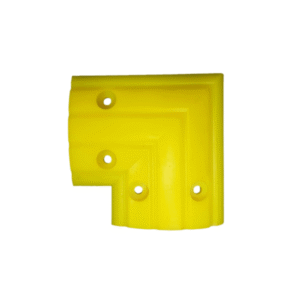
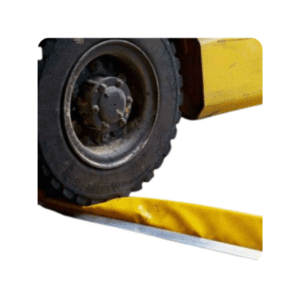
Engineering controls: Physical modifications that separate workers from hazards—such as machine guarding, ventilation systems, and safety barriers—provide reliable protection not dependent on human behaviour. These controls work continuously without requiring worker intervention.
Administrative controls: Procedures, training, work scheduling, and supervision influence worker behaviour to reduce risk. While important, these controls rely on correct human actions and constant vigilance, making them less reliable than engineering controls.
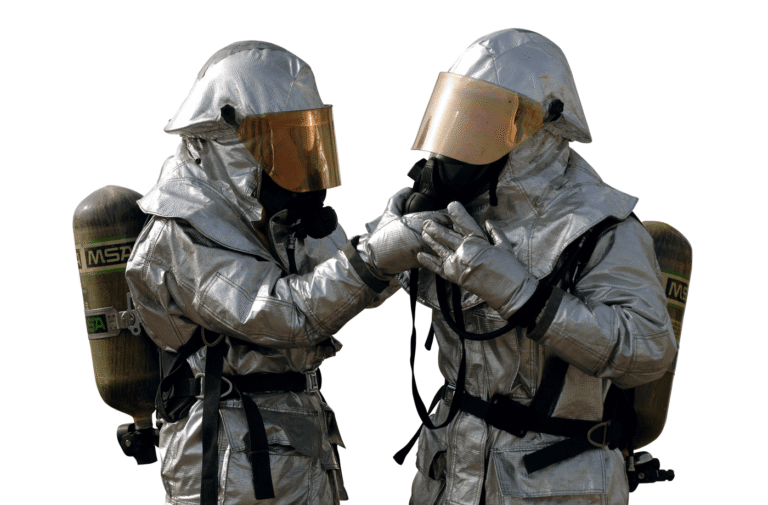
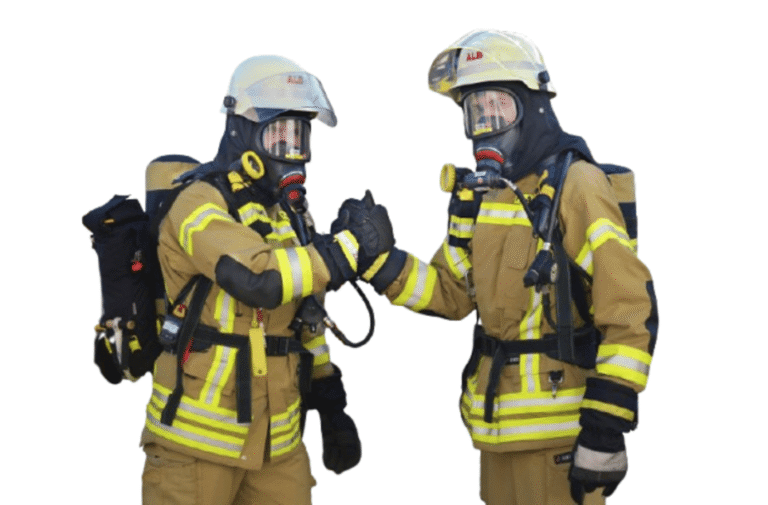
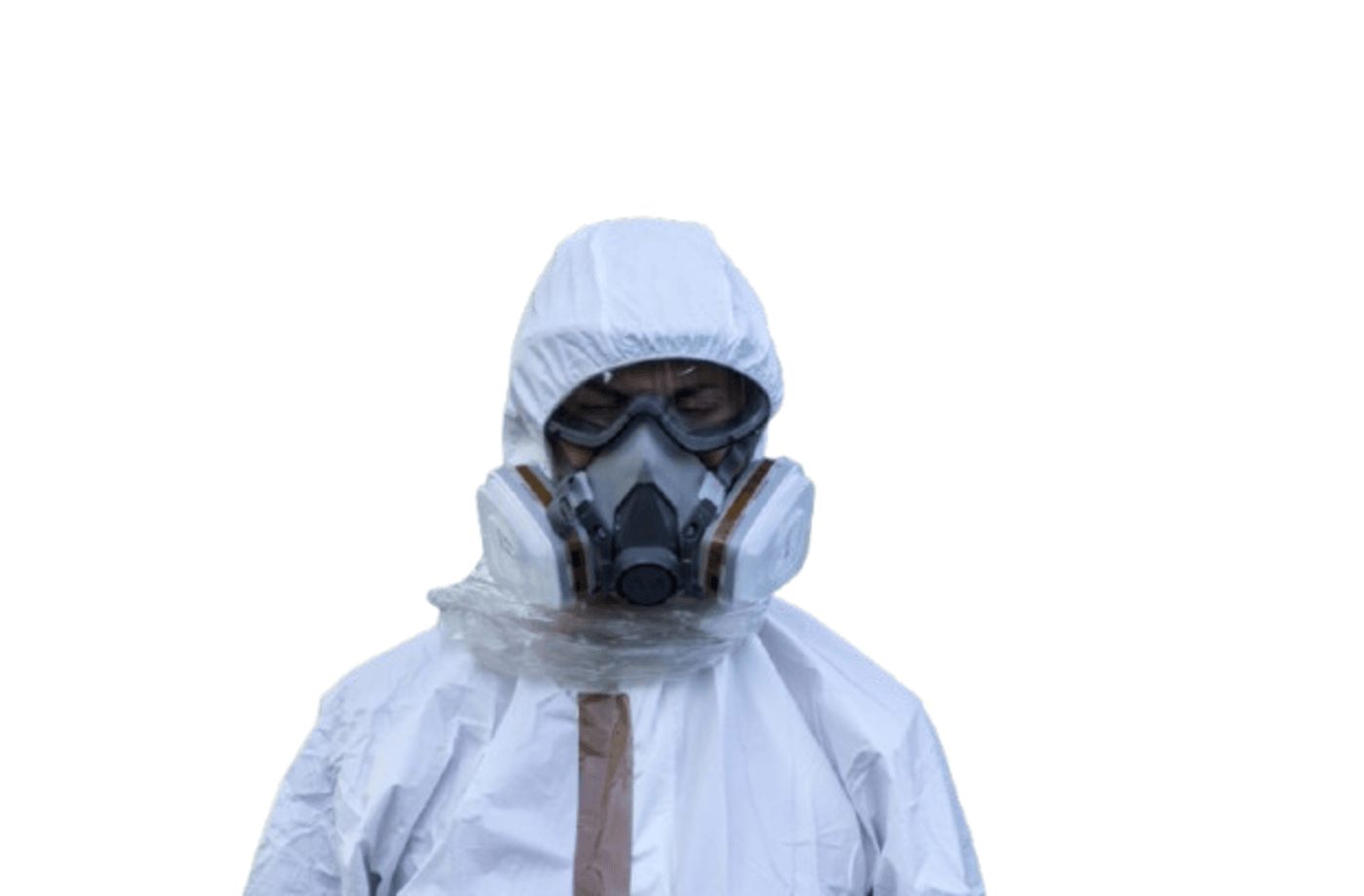
Personal protective equipment: PPE protects individual workers when other controls cannot adequately reduce risk. However, PPE is the least effective control because it:
- Requires consistent correct use
- Can fail due to damage or wear
- May be uncomfortable, reducing worker compliance
- Only protects the wearer
- Requires ongoing training, maintenance, and replacement
Recent NSW regulations requiring psychosocial risks to be managed according to the hierarchy of control represents significant advancement. Previously, many businesses relied heavily on supporting affected individuals (essentially treating people as PPE) rather than systematically addressing workplace factors causing psychological harm.
Proactive vs Reactive Approaches: Prevention is Superior
Businesses approach safety in two fundamentally different ways, with dramatically different outcomes.
Reactive approach: Some organisations only respond after incidents occur. They view safety expenditure as unproductive cost and implement minimum controls required by law. Incidents are seen as unfortunate but inevitable. This approach is characterised by:
- Waiting for inspections or incidents before acting
- Focusing on compliance rather than genuine risk reduction
- Minimal worker consultation
- Safety as separate from core business operations
SafeWork NSW’s recent prohibition notice related to psychosocial hazards in a white-collar workplace demonstrates that reactive approaches are unacceptable. Regulators expect proactive identification and control of all risks, including those not traditionally considered “safety” issues.
Proactive approach: Leading organisations anticipate and prevent potential incidents. They view safety as fundamental to business success and integrate it into all operations. Characteristics include:
- Systematic risk assessment and control
- Active worker participation in safety
- Continuous improvement culture
- Management accountability for safety outcomes
- Investment in higher-level controls
Proactive businesses experience fewer incidents, lower costs, better staff morale, and stronger reputations. They’re better positioned to adapt to emerging risks like AI and digital work systems, which the Senate Select Committee on Adopting Artificial Intelligence has identified as requiring proactive WHS management.
Emerging Workplace Risks: Why Safety Measures Must Evolve
The nature of work continually evolves, creating new hazards requiring updated safety measures.
Psychosocial hazards: Recognition that workplace factors like excessive workload, bullying, harassment, and poor organisational change management harm mental health has fundamentally expanded safety’s scope. The NSW Industrial Relations Commission now has jurisdiction over anti-bullying and sexual harassment matters in the public sector, reflecting the serious view regulators take of these risks.
Digital work systems: Algorithmic management, AI-driven work allocation, and platform-based employment create novel risks. Constantly changing tasks, performance pressure, and lack of control over work can cause stress and fatigue. The proposed NSW digital work systems duty responds to these emerging hazards.
Hybrid and remote work: The shift toward flexible work arrangements requires rethinking traditional safety approaches. Employers must ensure home workspaces are safe, manage isolation risks, and address the blurred boundaries between work and personal life affecting wellbeing.
Technological advancement: While technology offers safety improvements through automation and monitoring, it also creates risks. Dependence on systems introduces failure risks, increased surveillance affects mental health, and the digital divide can create safety disparities between workers with different technological access.
Climate change impacts: Extreme weather events, increased heat stress, and bushfire risks are increasingly affecting Australian workplaces. Safety measures must account for these evolving environmental hazards.
Safe Work Australia’s Best Practice Review of the model WHS Act and Regulations is examining how legislation must adapt to these emerging risks, with outcomes likely to drive significant regulatory changes.
Industry-Specific Considerations: Tailoring Safety Measures
While fundamental safety principles apply universally, effective implementation requires industry-specific understanding.
Construction: High injury and fatality rates demand comprehensive safety measures. Falls from height, struck-by incidents, and electrocution represent persistent hazards requiring multiple control layers. The recent construction safety blitz across Central Coast and Hunter regions, resulting in dozens of penalties, demonstrates regulators’ focus on this sector.
Healthcare: Infection control, manual handling, workplace violence, and exposure to hazardous drugs require specialised safety measures. The COVID-19 pandemic highlighted healthcare workers’ vulnerability and the critical importance of appropriate PPE and infection control protocols.
Manufacturing: Machine safety, chemical exposure, noise, and ergonomic hazards characterise manufacturing environments. The prosecution of an engineered stone installation company director found “covered in white dust” from impermissible cutting demonstrates ongoing vigilance is required.
Mining and resources: Isolation, heavy machinery, ground instability, and hazardous substance exposure make mining inherently dangerous. Comprehensive safety systems, including rigorous training, supervision, and emergency response capabilities, are essential.
Agriculture: Farming combines multiple high-risk activities—machinery operation, chemical handling, working with animals, and isolation. Despite its importance to the Australian economy, agriculture has disproportionately high injury and fatality rates.
Hospitality and retail: While perceived as lower-risk, these sectors face significant hazards including workplace violence, manual handling, slips and trips, and increasingly, psychosocial risks from customer interactions and precarious employment conditions.
Creating a Safety Culture: Beyond Procedures and Equipment
Truly safe workplaces are characterised by strong safety cultures where everyone shares responsibility for health and safety.
Leadership commitment: Safety culture flows from visible, genuine management commitment. When leaders prioritise safety in decision-making, resource allocation, and personal behaviour, workers understand its importance.
Worker participation: Workers possess unique knowledge about workplace risks and practical control measures. Effective consultation and genuine consideration of worker input improves safety outcomes and increases buy-in to safety measures.
Reporting and learning: Encouraging incident, near-miss, and hazard reporting without blame enables learning from experiences before serious harm occurs. Organisations that punish reporters suppress vital safety intelligence.
Continuous improvement: Viewing safety as a journey rather than a destination drives ongoing enhancement of safety measures. Regular review of risks, controls, and safety performance identifies improvement opportunities.
Integration: Safety integrated into all business processes—procurement, design, production, and service delivery—proves more effective than treating it as separate. When safety considerations inform all decisions, risks are controlled at the source rather than managed retrospectively.
Conclusion: Investment in Prevention, Not Cost of Compliance
Safety measures matter because people matter. Behind every workplace injury statistic is a person whose life has changed, a family affected, and a community impacted. The substantial business benefits of robust safety—reduced costs, better productivity, improved reputation, and regulatory compliance—reinforce but don’t supplant the fundamental moral case for protecting workers.
As Australian workplaces evolve, facing emerging risks from technology, changing work arrangements, and environmental factors, safety measures must adapt. The regulatory landscape is tightening, with increased penalties, expanded duties, and greater personal accountability for executives. However, businesses viewing safety measures as mere compliance costs miss the opportunity to build genuinely safe, productive, attractive workplaces where employees thrive.
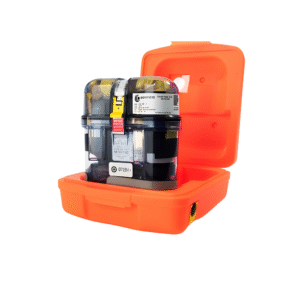
Investing in appropriate personal protective equipment, implementing systematic risk controls, fostering strong safety culture, and staying current with standards and regulations aren’t optional extras—they’re fundamental to responsible business operation in Australia. The question isn’t whether businesses can afford to implement proper safety measures, but whether they can afford not to.
About Armofy: Armofy understands that effective safety measures require quality equipment meeting Australian standards. Our comprehensive range of PPE and safety products, backed by expert technical support, helps Australian businesses protect their workers across all industry sectors. Partner with Armofy for safety solutions that work. Visit www.Armofy.com.au to explore our extensive product catalogue.