
As Australia heads into another summer season, workplace heat stress moves from an abstract regulatory concern to an immediate, potentially life-threatening hazard. With climate change driving increasingly extreme temperatures and more frequent heatwaves across the country, protecting workers from heat-related illness has never been more critical—or more complex.
Recent data from Queensland’s Resources Safety and Health Queensland emphasises effective management of heat risks as an urgent priority, while Safe Work Australia continues highlighting heat exposure as one of the most underestimated workplace risks across construction, mining, manufacturing, and outdoor industries. The message is clear: businesses must act now, before temperatures peak, to implement comprehensive heat management strategies.
Understanding Heat Stress: More Than Just Feeling Hot
Heat stress occurs when the body cannot cool itself adequately to maintain a safe internal temperature of approximately 37°C. Unlike simple discomfort from warm weather, heat stress represents a serious physiological threat that can rapidly progress from mild symptoms to life-threatening conditions.
The body normally regulates temperature through sweating and increased blood flow to the skin, allowing heat to dissipate. However, when environmental heat, physical workload, and inadequate cooling overwhelm these mechanisms, core body temperature begins rising. This progression can be swift—what begins as fatigue and muscle cramps can escalate to heat stroke, organ failure, and death within hours or even minutes.
The Progression of Heat-Related Illness
Mild heat illness: Early warning signs include unusual fatigue, weakness, dizziness, muscle cramps, reduced work capacity, decreased attention span, and irritability. These symptoms indicate the body is struggling to maintain thermal balance and warrant immediate intervention.
Heat exhaustion: As conditions worsen, workers may experience fainting, severe headaches, low blood pressure, nausea, clammy or flushed skin, and body temperature climbing toward 39°C. Heat exhaustion requires immediate first aid and removal from heat exposure—if left untreated, it progresses to heat stroke.
Heat stroke: The most severe heat-related condition, heat stroke is a medical emergency requiring immediate professional intervention. Symptoms include confusion, incoherent speech, hot dry skin (as sweating has ceased), convulsions, unconsciousness, body temperature exceeding 40°C, and potential cardiac arrest. Heat stroke can cause permanent organ damage or death if not treated immediately.
Understanding this progression is critical for workplace safety. Workers and supervisors must recognise early warning signs and intervene before conditions become life-threatening. Waiting until someone collapses means the opportunity for simple, effective intervention has passed.
Who’s at Greatest Risk?
While heat stress can affect anyone working in hot conditions, certain workers face elevated risk and require particular attention:
New or returning workers: People who haven’t recently worked in heat lack acclimatisation—the physiological adaptations that improve heat tolerance. New employees, workers returning from holidays, and those transferred from climate-controlled environments need gradual exposure, with workload progressively increased over 7-14 days.
Workers with pre-existing medical conditions: Cardiovascular disease, diabetes, respiratory conditions, kidney disease, and obesity can impair the body’s cooling mechanisms or be exacerbated by heat stress. Certain medications including diuretics, beta-blockers, antihistamines, and some antidepressants can affect heat tolerance.
Older workers: Australia’s aging workforce presents unique challenges, particularly in construction, manufacturing, and agriculture. Older workers may have reduced cardiovascular reserve and slower acclimatisation responses, though individual variation is significant—chronological age alone doesn’t determine heat tolerance.
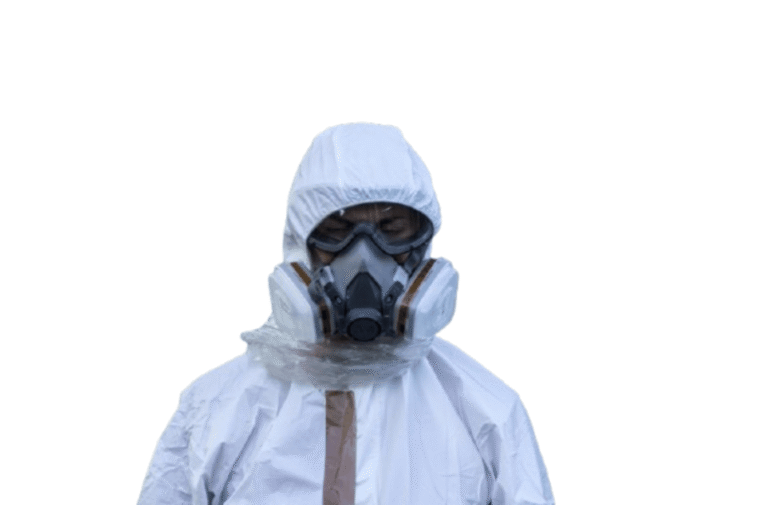
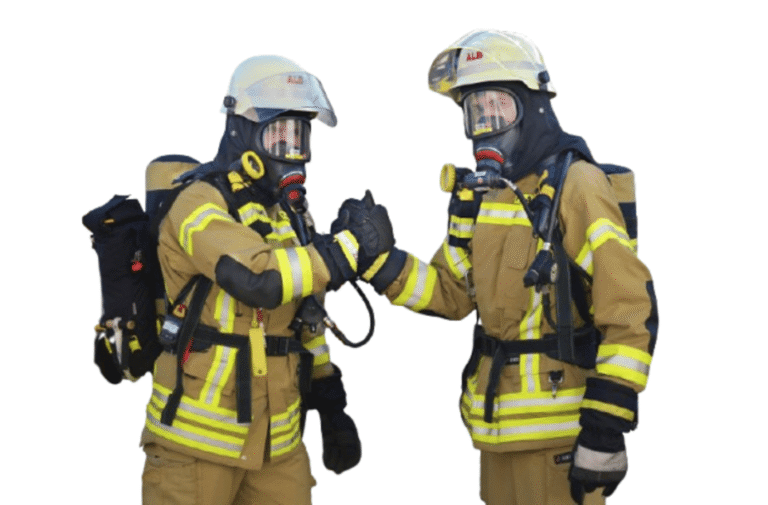
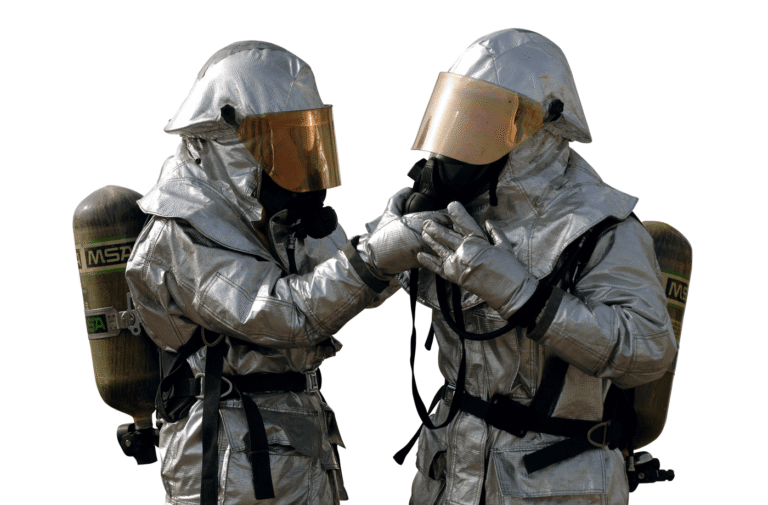
Workers wearing extensive PPE: While necessary for protection against other hazards, PPE can significantly impair the body’s cooling ability. Full-body coveralls, chemical-resistant clothing, respiratory protection, and multiple PPE layers trap heat and prevent sweat evaporation, dramatically increasing heat stress risk.
Solo workers: Workers operating alone in remote locations face particular danger—if they develop heat-related illness, there may be no one to provide assistance or call for help. Remote work requires enhanced monitoring and regular check-ins.
The Multi-Factor Nature of Workplace Heat Stress
Effective heat stress management requires understanding the complex interplay of environmental, work process, and individual factors contributing to risk.
Environmental Factors
Air temperature: While the most obvious factor, ambient temperature alone doesn’t determine heat stress risk. The same air temperature can present vastly different risk levels depending on other environmental factors.
Humidity: High humidity impairs sweat evaporation, the body’s primary cooling mechanism. At high humidity levels, sweat remains on the skin without cooling, meaning the body loses its most effective temperature regulation tool. This is why tropical environments with moderate temperatures and high humidity can be more dangerous than hot, dry conditions.
Radiant heat: Direct sunlight, hot machinery, furnaces, and reflected heat from surfaces like metal roofing, concrete, and glass add thermal load beyond ambient temperature. Workers can be exposed to severe radiant heat even when air temperature is moderate.
Air movement: Wind or artificial air circulation enhances evaporative cooling. Conversely, still air in confined spaces or sheltered work areas dramatically increases heat stress risk.
Work Process Factors
Physical workload: Metabolic heat generated by muscle activity significantly contributes to thermal load. Heavy manual labour, sustained physical effort, and tasks requiring whole-body movement generate substantial internal heat requiring dissipation.
Work duration and timing: Continuous work in heat without adequate recovery time compounds risk. Working during peak temperature periods (typically mid-afternoon) versus cooler morning or evening hours dramatically affects exposure.
Protective clothing and equipment: As noted, PPE essential for other hazards can create or worsen heat stress. Impermeable chemical suits, flame-resistant clothing, respiratory protection, and multiple equipment layers prevent heat dissipation while trapping metabolic heat.
Individual Factors
Acclimatisation status: As workers regularly work in heat, physiological adaptations improve heat tolerance—earlier and more profuse sweating, increased blood volume, improved cardiovascular efficiency, and better electrolyte conservation. These adaptations take 1-2 weeks to develop and are partially lost within days to weeks of reduced heat exposure.
Hydration: Even mild dehydration impairs the body’s cooling ability and accelerates heat stress progression. By the time workers feel thirsty, they’re already somewhat dehydrated—meaning thirst is an inadequate hydration indicator.
Physical fitness: Better cardiovascular fitness improves heat tolerance, though fitness alone doesn’t prevent heat-related illness in extreme conditions or with inadequate controls.
Previous heat-related illness: Workers who’ve previously experienced heat exhaustion or heat stroke remain more susceptible to recurrence and require careful monitoring.
Legal Obligations: What Australian Law Requires
Under Work Health and Safety legislation across Australian jurisdictions, Persons Conducting a Business or Undertaking have clear obligations to protect workers from heat stress hazards.
General duty of care: PCBUs must ensure, so far as reasonably practicable, worker health and safety. This explicitly includes protection from heat-related illness. The phrase “so far as reasonably practicable” means taking all measures possible unless they’re grossly disproportionate to the risk.
Risk assessment: Businesses must identify heat hazards through workplace assessment considering environmental conditions, work processes, and worker characteristics. This assessment should occur before summer begins and be reviewed when conditions change.
Hierarchy of control implementation: Control measures must follow the hierarchy—elimination, substitution, engineering controls, administrative controls, then PPE. Over-reliance on administrative controls (like telling workers to take breaks when they feel hot) or PPE alone is inadequate.
Consultation requirements: Workers must be consulted about heat risks and control measures. Workers often have the best practical knowledge about where and when heat stress occurs and which controls are feasible and effective.
Monitoring: Where heat stress risks exist, ongoing monitoring of environmental conditions and worker health is required. This becomes particularly important during forecast extreme heat events and heatwaves.
First aid and emergency response: Workplaces must have appropriate first aid provisions and emergency procedures for heat-related illness. Where heat stroke risk exists, emergency management plans must ensure rapid medical response—heat stroke survival depends on immediate cooling and professional medical care.
Training: Workers and supervisors require training to recognise heat stress symptoms, understand prevention measures, know how to respond to heat-related illness, and understand their own role in heat risk management.
There are no prescribed temperature limits for Australian workplaces because safe working temperatures depend on the complex interaction of factors discussed above. However, the absence of specific temperature limits doesn’t reduce employer obligations—businesses must manage heat risks regardless of the specific temperature.
Implementing the Hierarchy of Control for Heat Stress
Elimination: Removing Heat Exposure
The most effective control—though often impractical—is eliminating exposure to hot conditions:
- Ceasing outdoor work during extreme heat events
- Relocating tasks to climate-controlled environments
- Redesigning work to avoid hot processes or times
- Automating tasks currently performed manually in heat
While complete elimination is rarely achievable, businesses should identify opportunities to remove some heat exposures, particularly for the most extreme conditions.
Substitution: Replacing Hazardous Processes
Where heat can’t be eliminated, substitution may reduce exposure:
- Replacing hot processes with cooler alternatives
- Changing work materials to reduce heat generation
- Using automated equipment reducing manual labour and metabolic heat
- Substituting lighter-weight, more breathable PPE materials where protection standards permit
Engineering Controls: Isolating Workers from Heat
Engineering solutions provide reliable, ongoing protection:
Artificial cooling: Air conditioning in work vehicles, control rooms, and indoor workspaces provides the most effective environmental control. Where full climate control is impractical, spot cooling (directed cool air flow) can provide significant relief.
Shading: Permanent or temporary shade structures protect outdoor workers from solar radiation, significantly reducing radiant heat load. Even simple shade cloth can reduce heat stress risk substantially.
Ventilation and air movement: Industrial fans, increased natural ventilation, and air circulation systems enhance evaporative cooling even when they don’t reduce air temperature. In high humidity conditions, ventilation effectiveness is limited by reduced evaporation.
Insulation and reflective barriers: Insulating hot equipment, using reflective barriers, and cladding radiant heat sources reduce environmental heat load.
Process isolation: Separating heat-generating processes from workers through distance, barriers, or automation reduces exposure.
Administrative Controls: Managing Work Practices
When engineering controls can’t adequately reduce risk, administrative measures support heat safety:
Work scheduling: Performing heavy work during cooler morning or evening hours, avoiding peak temperature periods, and stopping work during extreme heat events reduces exposure intensity.
Work/rest regimes: Planned rest breaks in cool or shaded areas with adequate duration and frequency allow body temperature recovery. Rest break frequency and duration should increase as heat exposure intensifies.
Workload management: Rotating workers through hot and cooler tasks, limiting time in “hotspots,” adjusting work pace, and assigning lighter duties during extreme heat reduces physiological demand.
Acclimatisation programs: Gradually introducing new or returning workers to heat exposure over 7-14 days, starting with lighter tasks and shorter durations, then progressively increasing workload, allows physiological adaptation.
Buddy systems: Pairing workers, particularly in remote areas, ensures someone can recognise symptoms and provide assistance if heat-related illness develops.
Monitoring and supervision: Regular workplace temperature monitoring, checking weather forecasts for extreme heat, and active supervisor monitoring of worker wellbeing enables early intervention.
Training and communication: Regular toolbox talks about heat stress, clear communication of heat management plans, and visible signage reinforcing heat safety messages maintains awareness.
Personal Protective Equipment: The Final Barrier
While PPE sits at the hierarchy’s bottom, appropriate clothing and equipment play important roles in heat stress prevention:
Essential PPE and Equipment for Heat Stress Prevention
Cooling PPE: Active Temperature Management
Cooling vests: Modern cooling vest technology has advanced significantly, offering several cooling mechanisms:
- Evaporative cooling vests: Lightweight vests using water evaporation to cool the torso. These are most effective in low-to-moderate humidity conditions and can provide several hours of cooling from a single wetting.
- Phase change cooling vests: Containing special materials that absorb heat as they melt, maintaining a consistent cool temperature for 2-4 hours. These require periodic replacement in freezers but work effectively in high humidity where evaporative cooling fails.
- Ice cooling vests: Using frozen gel packs or ice packs to provide direct cooling. While highly effective, duration is limited (typically 1-2 hours) and frequent replacement is required.
Cooling vests are particularly valuable for workers who must wear extensive PPE for chemical, fire, or contamination protection—they provide cooling while wearing impermeable outer layers that would otherwise trap heat.
Breathable, Lightweight Protective Clothing
Where work hazards don’t require heavy protective clothing, selecting appropriate lightweight alternatives dramatically improves heat tolerance:
High-visibility clothing for hot conditions: Modern hi-vis workwear incorporates:
- Lightweight, breathable fabrics with moisture-wicking properties
- Mesh panels in low-impact areas promoting air circulation
- UPF 50+ sun protection without heavy materials
- Retroreflective materials meeting AS/NZS 1906.4:2023 standards while maintaining breathability
- Loose-fitting designs allowing air circulation
Traditional heavy hi-vis vests and shirts can trap heat—upgrading to purpose-designed warm-weather hi-vis significantly improves comfort and reduces heat stress risk.
Flame-resistant clothing for hot environments: While FR requirements can’t be compromised for heat comfort, newer FR fabrics offer improved breathability:
- Lightweight FR materials maintaining protection while reducing weight
- Moisture-wicking properties helping sweat evaporation
- Improved fabric construction allowing better air circulation
- Appropriate sizing ensuring garments aren’t excessively tight
Sun protective clothing: For outdoor workers, appropriate sun protection prevents another serious hazard while managing heat:
- Long-sleeved shirts and long pants with UPF 50+ ratings protecting against UV radiation
- Lightweight, loose-fitting designs maximising comfort in heat
- Light colours reflecting solar radiation rather than absorbing it
- Quick-dry fabrics wicking moisture away from skin
Head Protection: Cooling Hard Hats and Accessories
Ventilated hard hats: Modern safety helmets incorporate ventilation systems reducing heat buildup:
- Built-in ventilation channels promoting air circulation
- Vented suspension systems allowing air flow around the head
- Lighter-weight materials reducing strain and heat retention
- Full AS/NZS 1801 compliance maintaining impact protection
Hard hat sun brims: Simple additions providing shade for face and neck, significantly reducing radiant heat exposure and UV protection.
Cooling skull caps and beanies: Worn under hard hats, these provide evaporative or phase-change cooling directly to the head where heat regulation is critical.
Wide-brimmed hats: For workers not requiring hard hats, wide-brimmed hats meeting AS/NZS 4399 sun protection standards shield face, neck, and ears from sun exposure.
Hydration Support Equipment
Insulated drink bottles: Quality insulated containers maintaining water temperature for extended periods encourage adequate fluid intake—warm water is less palatable and workers drink less.
Hydration packs: Hands-free hydration systems allowing workers to drink while continuing tasks improve hydration compliance, particularly for workers whose tasks keep them away from central water supplies.
Electrolyte solutions: While water is the primary hydration fluid, workers sweating profusely for extended periods may benefit from electrolyte replacement drinks preventing salt depletion.
Hand Protection for Hot Conditions
Work requiring gloves in heat presents particular challenges—hands are important heat dissipation points but often require protection:
Breathable work gloves: Gloves with mesh backs, perforated palms, or lightweight knit construction providing required protection while allowing some cooling.
Moisture-wicking glove liners: Worn under required protective gloves, these wick sweat away improving comfort and maintaining grip.
Thermal protective gloves with cooling properties: For work involving hot materials, specialised gloves providing thermal protection while incorporating cooling technologies.
Foot Protection for Summer Conditions
Ventilated safety footwear: Modern safety boots incorporating:
- Breathable upper materials allowing air circulation
- Moisture-wicking linings keeping feet drier
- Lighter-weight composite toe caps (instead of steel) reducing thermal conductivity
- Full AS/NZS 2210 series compliance maintaining protection standards
While ventilated safety boots can’t provide the same cooling as athletic shoes, they substantially improve comfort versus traditional heavy leather boots.
Eye and Face Protection
Anti-fog safety glasses: Heat often accompanies high humidity causing eyewear fogging—anti-fog coated glasses maintain visibility in these conditions.
Sunglasses meeting AS/NZS 1067: For outdoor workers not requiring impact-rated eye protection, proper sunglasses reduce eye strain and UV exposure in bright conditions.
Wide-brimmed hard hat attachments: Face shields or brim attachments providing shade and UV protection while maintaining impact protection.
Beyond PPE: Essential Heat Stress Prevention Equipment
Environmental Monitoring
Wet Bulb Globe Temperature (WBGT) meters: Professional instruments measuring the complex interaction of temperature, humidity, radiant heat, and air movement, providing accurate heat stress assessment. WBGT monitoring according to ISO 7243:2017 provides objective data guiding when controls should be implemented.
Thermal Work Limit (TWL) monitoring: An alternative Australian approach accounting for all major heat stress factors and providing guidance on managing workloads and hydration needs.
Simple temperature and humidity monitors: For less complex environments, basic hygrometers measuring both temperature and humidity help identify when conditions are entering dangerous ranges.
Rest and Recovery Equipment
Portable shade structures: Pop-up gazebos, shade cloth structures, and portable shade units creating cool rest areas where permanent structures aren’t practical.
Cooling facilities: Portable air conditioning units, evaporative coolers, and industrial fans for rest areas.
Cooling towels and cold packs: Reusable cooling towels providing evaporative cooling and instant cold packs for emergency cooling.
Esky with ice and cold drinks: Simple but effective—readily available cold water and ice for emergency cooling and ongoing hydration.
Creating Your Heat Management Plan: A Practical Framework
Effective heat stress prevention requires systematic planning and implementation:
1. Conduct heat risk assessment
- Identify when and where heat hazards occur
- Consider all contributing factors—environmental, work process, individual
- Determine who is most at risk
- Assess current controls’ adequacy
2. Develop heat management procedures
- Document responsibilities for monitoring heat conditions
- Establish triggers for implementing controls (temperature thresholds, weather forecasts)
- Define work/rest regimes for various heat levels
- Create acclimatisation protocols for new and returning workers
- Establish communication procedures ensuring all workers understand heat risks and controls
3. Implement control measures
- Prioritise higher-level controls—engineering solutions over administrative
- Ensure adequate cooling PPE and equipment is available and accessible
- Provide unlimited cool drinking water at multiple accessible locations
- Create or designate cool rest areas
- Adjust work schedules to avoid peak heat where possible
4. Train workers and supervisors
- Ensure everyone recognises heat stress symptoms in themselves and others
- Train supervisors in monitoring worker wellbeing
- Educate workers on proper use of cooling PPE and equipment
- Teach appropriate first aid responses
- Emphasise that speaking up about heat symptoms is expected and supported
5. Monitor and respond
- Regular environmental monitoring, especially during forecast extreme heat
- Active supervisor observation of worker wellbeing
- Encourage workers to report heat symptoms without fear of repercussions
- Adjust controls based on conditions—when it’s hotter, implement more aggressive controls
6. Emergency response preparation
- Ensure first aid supplies appropriate for heat-related illness are available
- Train designated first aiders in heat illness response
- Establish clear procedures for emergency medical response
- Practice emergency procedures so everyone knows their role
7. Review and improve
- After heat events, review what worked and what didn’t
- Seek worker feedback on control effectiveness
- Update procedures based on experience
- Stay current with weather forecasts and regulatory guidance
The Business Case: Why Heat Stress Prevention Pays
Beyond legal obligations and ethical responsibilities, effective heat stress management delivers tangible business benefits:
Maintained productivity: Heat-stressed workers work slower, make more errors, and have reduced cognitive function. Proper controls maintain work quality and efficiency even in hot conditions.
Reduced injury rates: Heat stress impairs coordination, attention, and decision-making, increasing accident risk beyond direct heat-related illness. Managing heat reduces all types of workplace injuries.
Lower workers’ compensation costs: Heat-related illness claims and claims for injuries occurring due to heat-impaired judgment drive up insurance premiums and direct costs.
Improved worker morale and retention: Workers appreciate employers who take their wellbeing seriously. In tight labour markets, demonstrating genuine commitment to worker protection aids recruitment and retention.
Reduced regulatory risk: With increasing regulatory focus on climate-related workplace risks, proactive heat management reduces prosecution risk and demonstrates due diligence.
Business continuity: Extreme heat events that force work stoppages or reduce capacity impact business operations and customer commitments. Planning ahead minimises disruptions.
Taking Action Before Summer Peaks
With Australian summer approaching, now is the time to prepare. Waiting until workers are suffering heat stress is too late—heat-related illness can develop rapidly, and prevention is far more effective than emergency response.
Your Heat Stress Preparation Checklist
Immediate actions (before peak summer):
- Conduct workplace heat risk assessment
- Review last summer’s heat management—what worked, what didn’t
- Check weather forecasts for seasonal outlook
- Audit current cooling PPE and equipment inventory
- Order any additional cooling vests, breathable workwear, hydration equipment needed
- Service air conditioning and cooling systems
- Establish or improve shaded rest areas
- Create or update heat management procedures
- Schedule heat stress training for all workers and supervisors
- Ensure first aid supplies appropriate for heat-related illness are stocked
- Test emergency response procedures
Ongoing through summer:
- Monitor weather forecasts daily
- Adjust work schedules based on forecast extreme heat
- Conduct regular toolbox talks on heat safety
- Monitor worker wellbeing actively
- Ensure cool water is always available and accessible
- Maintain cooling equipment and PPE
- Respond immediately to any heat illness symptoms
- Document incidents and near-misses for future improvement
Partner with Armofy for Complete Heat Stress Solutions
Armofy understands that protecting workers from heat stress requires more than just generic PPE—it demands purpose-designed equipment matched to Australian conditions and your specific workplace needs.
Our comprehensive heat stress prevention range includes:
- Cooling vests in evaporative, phase-change, and ice pack styles
- Lightweight, breathable hi-vis clothing meeting Australian standards
- Ventilated hard hats and cooling accessories maintaining protection while reducing heat buildup
- Hydration systems and insulated drink bottles encouraging adequate fluid intake
- Heat stress monitoring equipment for accurate risk assessment
- Portable cooling and shade equipment creating rest areas anywhere
- Complete heat stress prevention kits for rapid deployment
Our technical experts provide free consultation helping you:
- Assess your specific heat stress risks
- Select appropriate cooling PPE for your workers and conditions
- Design effective heat management programs
- Train workers and supervisors in heat stress prevention
- Source all necessary equipment from a single trusted supplier
Don’t wait until summer heat threatens your workers and operations. Contact Armofy today to discuss your heat stress prevention needs and ensure you’re fully prepared before temperatures peak.
Visit Armofy.com.au to explore our complete heat stress prevention range, access technical resources, and connect with our safety experts. Protect your team this summer with Australia’s trusted workplace safety partner—because no job is worth putting your workers’ lives at risk.
Free Heat Stress Risk Assessment Tool: Visit Armofy.com.au to download our workplace heat stress assessment checklist and heat management plan template—essential tools for Australian businesses preparing for summer conditions.
Expert Consultation Available: Contact our safety specialists for personalised advice on selecting the right heat stress prevention equipment for your industry and specific workplace challenges. Call us or visit Armofy.com.au to get started.