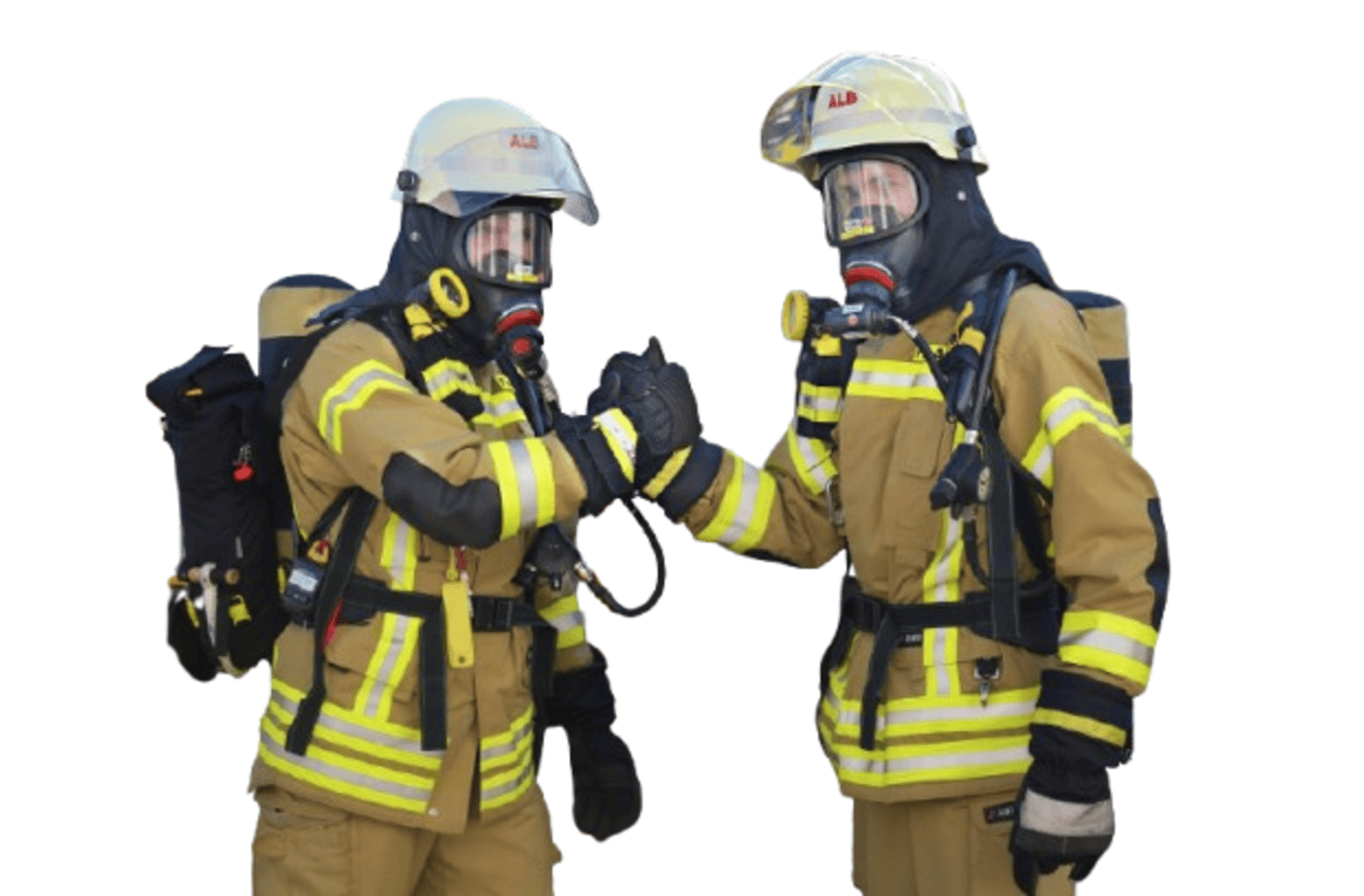
Personal Protective Equipment (PPE) forms a critical component of workplace safety across every Australian industry. From construction sites to hospitals, manufacturing facilities to mining operations, appropriate PPE protects workers when other risk controls cannot adequately eliminate hazards. Understanding which PPE to use, how to select compliant equipment, and how to ensure proper implementation is essential for meeting legal obligations and protecting your workforce.
Understanding PPE’s Place in the Safety Hierarchy
Before examining specific PPE applications, it’s crucial to understand where protective equipment sits within workplace safety strategy. Under Australian Work Health and Safety legislation, businesses must apply the hierarchy of control when managing workplace risks:
- Elimination – Removing the hazard entirely
- Substitution – Replacing the hazard with something less dangerous
- Engineering controls – Isolating people from the hazard
- Administrative controls – Changing how people work
- Personal Protective Equipment – Protecting individual workers
PPE occupies the bottom tier of this hierarchy, recognised as the least effective control measure. This doesn’t diminish PPE’s importance—rather, it emphasises that PPE should supplement, not replace, more effective controls. Equipment can fail, be worn incorrectly, or be removed for comfort, making it inherently less reliable than eliminating hazards or implementing engineering controls.
However, many workplace hazards cannot be completely eliminated or controlled through engineering means alone. In these situations, appropriate PPE is essential, often providing the difference between a near miss and a serious injury.
Construction Industry: Comprehensive Head-to-Toe Protection
Construction sites present diverse hazards requiring multiple PPE types working in combination to protect workers.
Head Protection
AS/NZS 1801 compliant hard hats are mandatory on virtually all construction sites. Modern helmets feature:
- Impact absorption systems protecting against falling objects
- Electrical insulation properties for work near overhead lines
- Chin straps for work at heights preventing helmet loss
- Accessory mounting points for face shields, earmuffs, and communication devices
The updated AS/NZS 1418.10:2025 standard for mobile elevating work platforms emphasises that all workers operating or working near MEWPs must wear appropriate head protection, as falls from height and struck-by incidents represent leading construction fatality causes.
Eye and Face Protection
Construction activities generate numerous eye hazards—flying debris, dust, chemical splashes, and welding radiation. AS/NZS 1337.1:2010 covers eye protection requirements, with specific lens types for different hazards:
- Impact-resistant safety glasses for general construction work
- Face shields for grinding, cutting, and chemical handling
- Welding helmets with appropriate shade numbers for arc welding
- Dust goggles for demolition work
Many construction workers incorrectly assume sunglasses provide adequate protection. Only properly rated safety eyewear offers genuine impact protection—a distinction that can prevent permanent vision loss.
Respiratory Protection
Construction generates various airborne hazards requiring respiratory protection compliant with AS/NZS 1716:2012:
- P1 filters for nuisance dusts in general construction
- P2 respirators for hazardous dusts including concrete, wood, and general silica exposure
- P3 respirators for highly hazardous materials including asbestos
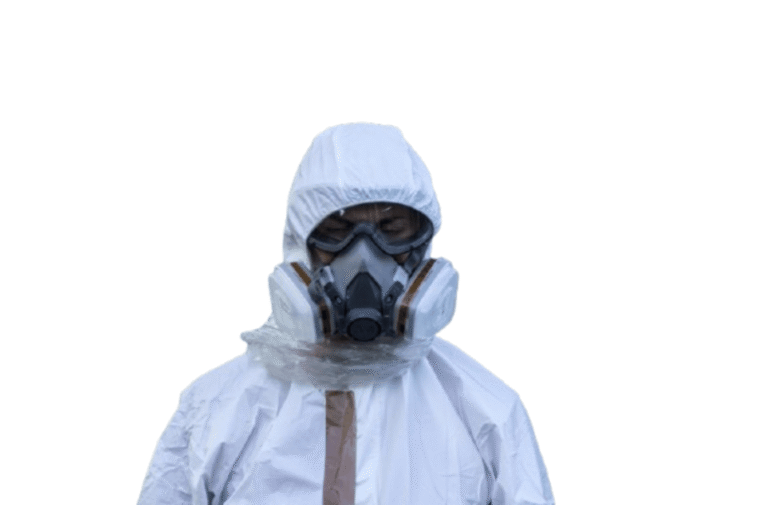
- Full-face respirators or supplied air systems for confined spaces or environments with inadequate oxygen
The national prohibition on engineered stone, effective from July 2024, highlights silica dust’s extreme danger. The Silica Worker Register, commencing 1 October 2025, requires businesses to report workers involved in high-risk crystalline silica processing, emphasising the critical importance of appropriate respiratory protection even for activities that continue.
Hand Protection
Construction involves manual handling, sharp materials, chemicals, and vibration exposure. AS/NZS 2161 series standards cover various glove types:
- General-purpose work gloves for handling materials
- Cut-resistant gloves for working with sharp-edged materials
- Chemical-resistant gloves for concrete work and handling solvents
- Thermal gloves for hot work
- Anti-vibration gloves for prolonged power tool use
Selecting appropriate gloves requires matching protection to specific tasks—general work gloves provide inadequate protection against chemical burns or cuts from sharp materials.
Foot Protection
Construction sites require safety footwear meeting AS/NZS 2210 series standards. Key features include:
- Steel or composite toe caps protecting against crushing injuries
- Puncture-resistant midsoles preventing nail penetration
- Slip-resistant outsoles for varied surfaces
- Ankle support for uneven terrain
- Electrical hazard protection for relevant work
The Australian construction industry’s high injury rate, highlighted by recent SafeWork NSW construction safety blitzes resulting in dozens of penalties, underscores the importance of comprehensive PPE compliance combined with robust safety systems.
High-Visibility Clothing
Construction sites involving vehicle movements and mobile plant require high-visibility garments meeting AS/NZS 1906.4:2023 for retroreflective materials and AS/NZS 4602.1:2011 for garment design. The updated 2023 standard strengthens visibility requirements, recognising that being seen is fundamental to preventing struck-by incidents.
Healthcare Sector: Infection Control and Patient Safety
Healthcare workers face unique hazards requiring specialised PPE to protect both workers and patients from cross-contamination and infectious disease exposure.
Medical Face Masks and Respirators
Healthcare PPE standards gained prominence during COVID-19, highlighting the critical importance of appropriate respiratory protection:
AS/NZS 4381:2015 specifies requirements for single-use medical face masks, addressing bacterial filtration efficiency and fluid resistance. These masks protect against droplet transmission but don’t provide protection against airborne pathogens.
For higher-risk procedures generating aerosols, AS/NZS 1716:2012 P2 respirators (equivalent to international N95 standard) are essential. These respirators must:
- Achieve 94% minimum filtration efficiency for 0.3-micron particles
- Form an adequate seal to the wearer’s face
- Be fit-tested to individual healthcare workers
The COVID-19 pandemic demonstrated consequences of inadequate respiratory protection in healthcare settings, with numerous healthcare workers contracting infection through inadequate PPE or improper use.
Medical Gloves
Healthcare glove requirements depend on the intended use:
AS/NZS 4179:2014 covers single-use sterile rubber surgical gloves for procedures requiring aseptic technique. These gloves must meet stringent requirements for barrier protection, sensitivity, and integrity.
AS/NZS 4011.1:2014 specifies requirements for single-use medical examination gloves made from latex or rubber solution, while AS/NZS 4011.2:2014 covers polyvinyl chloride gloves. These standards address:
- Barrier protection against pathogens
- Physical properties ensuring adequate durability
- Freedom from defects compromising protection
- Appropriate sizing for different users
AS/NZS 2161.10.1:2005 covers gloves for protection against chemicals and micro-organisms, relevant for handling hazardous drugs and disinfectants.
Healthcare workers must understand that different glove types provide different protection levels—examination gloves suitable for routine patient care may be inadequate for handling cytotoxic drugs or aggressive chemicals.
Eye and Face Protection
Healthcare workers handling blood, body fluids, or chemicals require eye protection meeting AS/NZS 1337.1:2010. Protection ranges from safety glasses with side shields to full face shields depending on splash risk. The standard emphasises that eye protection must fit comfortably and not interfere with other PPE like respirators or surgical masks.
Protective Clothing
Healthcare workers may require various protective garments:
- Fluid-resistant gowns for procedures with splash risk
- Impermeable aprons for handling chemicals
- Full-body suits for isolation precautions
- Specialised protective clothing for radiology work meeting AS/NZS 4543.3:2000
The selection of appropriate protective clothing depends on the specific procedure, infection risk, and exposure potential.
Manufacturing Sector: Diverse Hazards Requiring Tailored Protection
Manufacturing environments present highly variable hazards depending on processes, materials, and equipment, requiring comprehensive PPE assessment and selection.
Hearing Protection
Manufacturing noise exposure remains a significant occupational health issue, with noise-induced hearing loss representing one of the most common preventable occupational diseases. While engineering controls (quieter equipment, noise barriers) should be prioritised, hearing protection is often necessary.
Options include:
- Disposable foam earplugs
- Reusable moulded earplugs
- Earmuffs
- Communication headsets for noisy environments requiring communication
Selecting hearing protection requires understanding the noise environment—its frequency spectrum, duration of exposure, and communication requirements.
Chemical-Resistant PPE
Manufacturing involving chemicals requires specialised PPE:
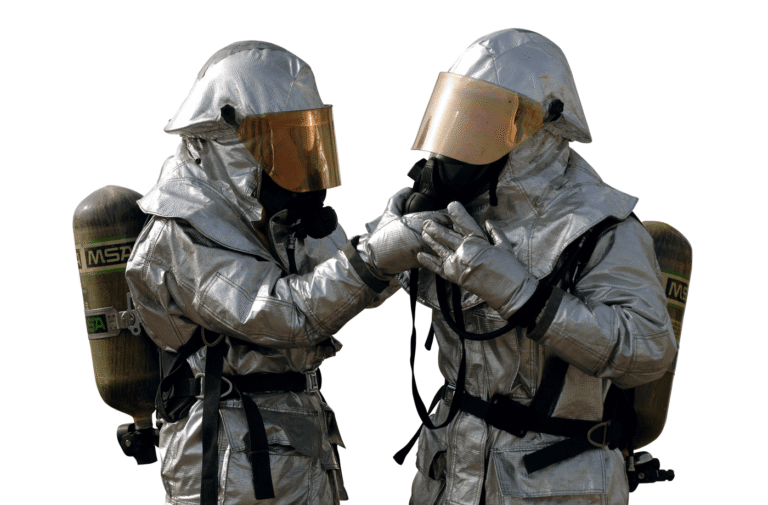
AS/NZS ISO 6530 covers protective clothing against liquid chemicals, specifying requirements for repellency, retention, and penetration resistance. Chemical-resistant clothing ranges from aprons and sleeves for minor chemical handling to full encapsulating suits for highly hazardous substances.
Chemical-resistant gloves must be selected based on the specific chemicals handled—no glove material provides universal protection. Manufacturers provide chemical compatibility charts indicating appropriate glove materials and breakthrough times for specific substances.
Thermal Protection
Manufacturing processes involving heat, flames, or molten materials require thermal protective equipment:
AS/NZS 2161.4 specifies requirements for gloves protecting against thermal risks including heat, flames, and contact with hot objects.
AS/NZS ISO 2801:2008 provides recommendations for selection, care, and use of clothing for protection against heat and flame.
Welders require specialised protective equipment including:
- Flame-resistant welding jackets and aprons
- Welding gloves providing heat and electrical protection
- Welding helmets with appropriate auto-darkening filters
- Flame-resistant trousers and footwear
Machine Operation Safety
Manufacturing involving machinery requires PPE addressing specific hazards:
- Close-fitting clothing preventing entanglement
- Impact-resistant footwear
- Hearing protection in high-noise areas
- Safety glasses or face shields for operations generating chips or particles
- Appropriate gloves balancing cut protection with dexterity requirements
The prosecution of Jungheinrich Australia, fined $150,000 for returning forklifts with disabled safety systems to service, highlights that equipment safety features must complement, not replace, appropriate PPE.
Mining and Resources: Extreme Environment Protection
Mining operations combine multiple high-risk activities in often remote, extreme environments, demanding comprehensive PPE programs.
Respiratory Protection for Mine Dust
Mining generates various airborne contaminants:
- Diesel particulate matter from mobile equipment
- Respirable crystalline silica from drilling and blasting
- Coal dust in coal mining operations
- Various metal and mineral dusts
AS/NZS 1716:2012 P2 or P3 respirators are typically required, with selection depending on exposure levels and contaminant types. Supplied air respirators may be necessary in environments with inadequate oxygen or extremely high contaminant levels.
The Work Health and Safety Amendment (Blood Lead Level Exposure Values) Regulations 2025, effective from 24 March 2025, significantly impacts mining and smelting operations. Lowered acceptable blood lead levels and increased monitoring frequency necessitate rigorous control measures including enhanced respiratory protection for lead processing operations.
Eye Protection
Mining eye hazards include:
- Flying rock fragments from drilling and blasting
- Chemical splashes from processing operations
- Welding and cutting operations
- Ultraviolet radiation in surface operations
AS/NZS 1337.1:2010 compliant eye protection must be selected based on specific hazards, with particular attention to impact resistance for workers involved in drilling, blasting, or materials handling.
Protective Footwear
Mining footwear must meet demanding requirements:
- Steel toe protection against crushing from heavy equipment and materials
- Metatarsal guards for additional foot protection
- Puncture-resistant midsoles
- Slip resistance on wet and uneven surfaces
- Ankle support for rough terrain
- Chemical resistance for processing operations
AS/NZS 2210 series standards specify various protection levels, with mining operations typically requiring the highest specifications.
Protective Clothing
Mining protective clothing requirements vary by operation:
- High-visibility clothing for surface operations with vehicle movements
- Flame-resistant clothing for underground coal mining
- Chemical-resistant clothing for processing operations
- Cold-weather gear for operations in cold climates
- Specialized clothing meeting AS/NZS 4602.2:2013 for emergency response personnel
Agricultural Sector: Versatile Protection for Diverse Tasks
Agriculture combines multiple hazard types—machinery, chemicals, animals, weather exposure, and often remote work—requiring versatile PPE approaches.
Chemical Handling Protection
Agricultural chemical application requires comprehensive PPE:
- Chemical-resistant gloves meeting AS/NZS ISO 22608:2007 for pesticide handling
- Chemical-resistant coveralls or aprons
- Face shields or chemical goggles
- Respirators with appropriate filters for the chemicals used
- Chemical-resistant footwear
Re-entry intervals after pesticide application must be observed, with appropriate PPE for workers entering treated areas before residues have degraded.
Sun Protection
Outdoor agricultural work necessitates UV protection:
AS/NZS 4399 specifies requirements for sun protective clothing, with garments rated by Ultraviolet Protection Factor (UPF). Agricultural workers should use:
- Long-sleeved shirts and long pants with minimum UPF 50+
- Wide-brimmed hats
- Sunglasses meeting relevant standards
- Sunscreen for exposed skin
Australia’s high UV radiation levels make sun protection critical for outdoor workers, with agricultural workers experiencing disproportionately high skin cancer rates.
Machinery Operation Protection
Agricultural machinery operation requires:
- Hearing protection for prolonged exposure to machinery noise
- Safety glasses or face shields for operations generating dust or debris
- Sturdy footwear protecting against crushing and puncture injuries
- Close-fitting clothing preventing entanglement in power take-offs and other machinery
Chainsaw Operation
Forestry and farm maintenance involving chainsaws require specialised protection under AS/NZS 4453 series:
- Chainsaw trousers or chaps with cut-resistant layers
- Steel-toed boots with cut-resistant panels
- Hearing protection
- Face shields protecting against flying debris
- Protective gloves with adequate grip and cut resistance
Selecting Appropriate PPE: A Systematic Approach
Effective PPE selection requires systematic assessment ensuring equipment matches specific hazards while remaining comfortable enough for consistent use.
Step 1: Hazard Identification and Risk Assessment
Comprehensive hazard identification forms the foundation. Consider:
- Physical hazards (impact, penetration, abrasion)
- Chemical exposures (specific substances and concentrations)
- Biological hazards (infectious materials, allergens)
- Thermal hazards (heat, cold, flames)
- Radiation (UV, ionising radiation)
- Electrical hazards
- Environmental factors (noise, vibration)
Risk assessment determines likelihood and potential consequences of exposure, guiding control measure selection including PPE.
Step 2: Determine Required Protection Level
Once hazards are identified, determine the protection level needed. This requires understanding:
- Applicable Australian Standards for the hazard type
- Manufacturer specifications and testing data
- Duration and intensity of exposure
- Environmental conditions affecting PPE performance
Step 3: Select Compliant Products
Ensure selected PPE:
- Complies with relevant Australian Standards
- Has been independently tested and certified where applicable
- Includes appropriate certification marks (e.g., SAI Global five-tick mark)
- Comes from reputable manufacturers with documented quality systems
Beware of counterfeit PPE entering the market—purchasing from reputable suppliers like Armofy ensures product authenticity and compliance.
Step 4: Consider Compatibility and Comfort
PPE must work together without compromising protection:
- Respirators must seal properly even when wearing safety glasses
- Hearing protection must fit under hard hats
- Gloves must allow adequate dexterity for the task
- Multiple PPE items must be comfortable enough for extended wear
Worker consultation in PPE selection improves compliance—equipment that’s uncomfortable or interferes with work is less likely to be worn consistently.
Step 5: Provide Adequate Training
Even the best PPE provides no protection if used incorrectly. Training must cover:
- When and why PPE must be used
- How to properly don, adjust, and remove PPE
- Limitations of the equipment
- Maintenance and storage requirements
- How to identify damaged or worn equipment
- Procedures for obtaining replacements
Step 6: Implement Monitoring and Review
Ongoing PPE program effectiveness requires:
- Regular workplace inspections confirming appropriate use
- Monitoring for equipment wear or damage
- Review when incidents occur or hazards change
- Worker feedback on equipment performance
- Periodic reassessment of hazards and controls
Common PPE Implementation Challenges
Despite its critical importance, PPE implementation often encounters obstacles:
Comfort and usability: PPE can be hot, restrictive, or interfere with task performance. Selecting appropriate equipment for the climate and task, and involving workers in selection, improves compliance.
Cost concerns: Quality PPE represents significant investment, tempting some businesses toward cheaper alternatives. However, non-compliant or poor-quality equipment provides inadequate protection and may cost more long-term through increased replacement frequency and potential injuries.
Inadequate training: Workers may not understand proper use or the importance of consistent PPE use. Comprehensive training and visible management commitment to PPE use are essential.
Maintenance and replacement: PPE must be maintained and replaced according to manufacturer specifications. Failure to replace damaged or worn equipment compromises protection.
Size and fit issues: One-size-fits-all approaches leave many workers with ill-fitting equipment. Offering range of sizes accommodates diverse workforce, though this increases inventory complexity.
Worker resistance: Some workers view PPE as unnecessary or uncomfortable. Addressing this requires explaining specific hazards, demonstrating real-world consequences of inadequate protection, and ensuring management consistently enforces PPE requirements.
The Future: Smart PPE and Technological Integration
PPE is evolving beyond passive protection toward active safety enhancement through technology integration:
Smart helmets: Incorporating communication systems, heads-up displays, and environmental sensors Connected respirators: Monitoring air quality and alerting to filter degradation Wearable sensors: Tracking worker location, movement patterns, and environmental exposure Exoskeletons: Reducing physical strain during manual handling
These innovations promise enhanced protection and real-time safety monitoring. However, they introduce new considerations around data privacy, reliability, and ensuring technology enhances rather than complicates safety.
Conclusion: PPE as Part of Comprehensive Safety
Personal Protective Equipment plays an indispensable role in Australian workplace safety across all industries. While positioned as the last line of defence in the hierarchy of control, appropriate, compliant PPE can mean the difference between walking away from a hazard and suffering life-changing injury.
Selecting and implementing effective PPE requires understanding applicable Australian Standards, accurately assessing workplace hazards, choosing equipment that provides adequate protection while remaining usable, training workers in proper use and maintenance, and maintaining ongoing commitment to monitoring and improvement.
As Australian workplace safety regulations continue evolving—with new requirements for psychosocial hazards, digital work systems, and emerging risks—the fundamentals of physical protection remain critical. Businesses that invest in quality, compliant PPE demonstrate commitment to worker wellbeing while fulfilling their legal obligations.
About Armofy: As Australia’s leading online safety equipment supplier, Armofy offers comprehensive PPE solutions across all industry sectors. Our extensive range includes head protection, eye and face protection, respiratory equipment, hand and foot protection, high-visibility clothing, and specialised protective clothing—all meeting or exceeding relevant Australian Standards. Our expert team provides free technical support helping you select appropriate equipment for your specific hazards and applications. We understand that effective PPE protection requires getting the details right, and we’re committed to helping Australian businesses protect their workers.
Visit Armofy.com.au to explore our full product catalogue, access technical resources, and partner with Australia’s trusted name in workplace safety equipment. Protect your team with equipment that meets the highest standards—because your workers deserve nothing less.