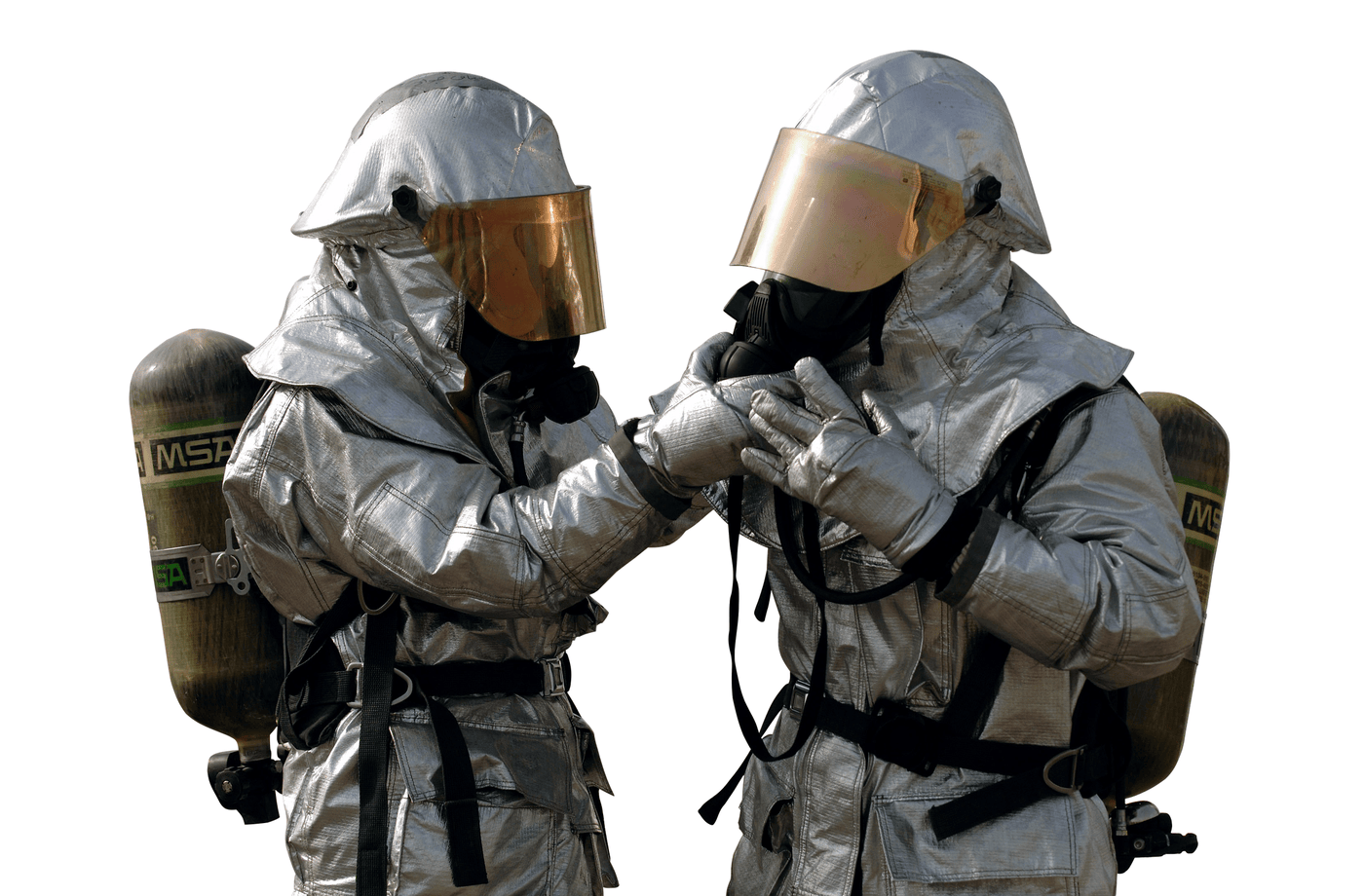
Workplace safety in Australia is governed by a comprehensive framework of standards designed to protect workers across all sectors. From construction sites to healthcare facilities, manufacturing plants to mining operations, understanding and implementing these standards is crucial for creating safe working environments and maintaining legal compliance.
The Foundation: Australian Work Health and Safety Legislation
The cornerstone of workplace safety in Australia is the Work Health and Safety (WHS) Act 2011 and its associated regulations. This harmonised framework applies across most Australian jurisdictions, establishing a consistent approach to managing workplace risks. The legislation places primary responsibility on Persons Conducting a Business or Undertaking (PCBUs) to ensure, so far as reasonably practicable, the health and safety of workers and others affected by their operations.
Recent regulatory updates have significantly strengthened these requirements. The Work Health and Safety Regulation 2025, which commenced in New South Wales on 22 August 2025, introduces critical changes including mandatory application of the hierarchy of control measures to psychosocial risks and new information-sharing duties for the silica worker register. These updates reflect the evolving nature of workplace hazards and the need for more robust protective measures.
Industry-Specific Safety Standards
Construction Industry Standards
The construction sector faces some of the highest workplace risks in Australia, necessitating stringent safety protocols. Key standards include:
AS/NZS 1801 governs occupational protective helmets, specifying design, performance, and testing requirements. All hard hats used on construction sites must meet these specifications to provide adequate protection against falling objects and impact injuries.
AS/NZS 1891.1:2020 covers fall arrest systems, one of the most critical safety measures in construction. With falls from height remaining a leading cause of workplace fatalities, compliance with this standard is non-negotiable. The standard specifies requirements for full body harnesses, lanyards, and energy absorbers.
AS/NZS 1906.4:2023 addresses high-visibility garments for workers in road traffic control and construction zones. The updated 2023 version strengthens requirements for retroreflective materials, ensuring workers remain visible in low-light conditions and around moving machinery.
The recent introduction of AS/NZS 1418.10:2025 for mobile elevating work platforms (MEWPs) incorporates significant technological advancements. The standard now includes the limit states method for structural calculations and updated operator control requirements, enhancing safety for workers operating at heights.
Healthcare Sector Standards
Healthcare workers face unique occupational hazards, from infectious disease exposure to chemical handling and manual handling injuries. Critical standards include:
AS/NZS 4381:2015 specifies requirements for single-use face masks in healthcare settings, addressing bacterial filtration efficiency and breathability. This standard gained renewed prominence during the COVID-19 pandemic and remains essential for infection control.
AS/NZS 4179:2014 covers single-use sterile rubber surgical gloves, ensuring adequate barrier protection during procedures. The standard aligns with ISO 10282:2014, maintaining international best practice.
AS/NZS 1337.1:2010 provides specifications for eye and face protective equipment, crucial for healthcare workers handling biological materials, chemicals, and operating laser equipment.
Manufacturing and Industrial Standards
Manufacturing environments present diverse hazards requiring comprehensive safety measures:
AS/NZS 62061:2025, which identically adopts IEC 62061:2021, specifies requirements for safety-related control systems for machinery. This standard is fundamental for ensuring automated equipment incorporates fail-safe mechanisms to protect operators.
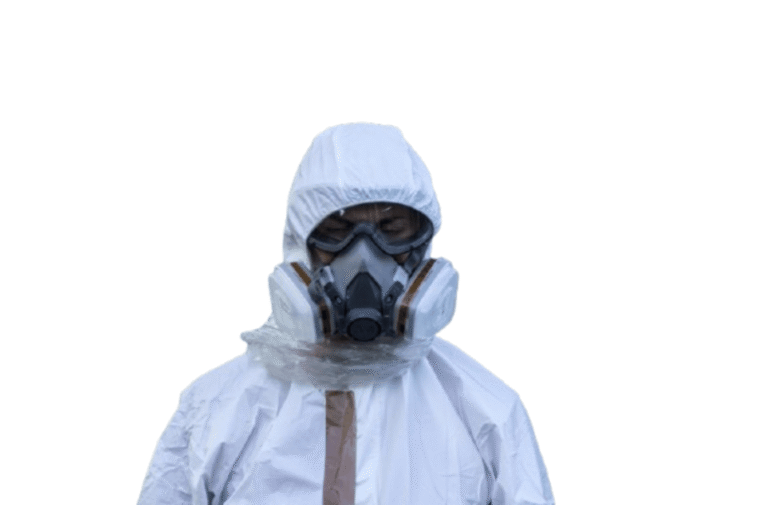
AS/NZS 1716:2012 covers respiratory protective devices, essential in manufacturing settings where workers may be exposed to dusts, fumes, or chemical vapours. The standard specifies filtration efficiency requirements for various respirator classes, including P1, P2, and P3 filters.
AS/NZS 2161 series addresses occupational protective gloves for mechanical risks, thermal hazards, and chemical exposure. Different parts of this series apply to specific hazards, ensuring workers have appropriate hand protection for their tasks.
Mining and Resources Sector
The mining industry operates under some of the most stringent safety regulations due to the inherent high-risk nature of operations:
AS/NZS 2210 series specifies requirements for safety, protective, and occupational footwear. Mining environments require footwear with steel toe caps, puncture-resistant midsoles, and slip-resistant outsoles to protect against crushing injuries, sharp objects, and unstable surfaces.
AS/NZS ISO 6530 covers protective clothing against liquid chemicals, critical for mining operations involving chemical processing and handling hazardous materials.
The new blood lead level regulations, effective from 24 March 2025, significantly impact mining and smelting operations. The Work Health and Safety Amendment (Blood Lead Level Exposure Values) Regulations 2025 lower acceptable blood lead levels and increase biological monitoring frequency, reflecting enhanced understanding of lead toxicity.
The Hierarchy of Control: A Systematic Approach
Australian safety standards emphasise the hierarchy of control measures, a systematic approach to minimising workplace risks:
- Elimination: Removing the hazard entirely from the workplace
- Substitution: Replacing hazardous materials or processes with safer alternatives
- Engineering controls: Isolating people from hazards through physical barriers or ventilation systems
- Administrative controls: Implementing safe work procedures, training, and supervision
- Personal Protective Equipment (PPE): Using equipment to protect individuals when other controls are insufficient
This hierarchy recognises that PPE, while important, is the least effective control measure and should be implemented alongside more robust safety measures. The recent extension of this hierarchy to psychosocial hazards in NSW marks a significant advancement in addressing mental health risks at work.
Emerging Standards and Future Developments
The Australian standards landscape continues evolving to address emerging workplace risks:
Digital work systems: NSW’s proposed Workers Compensation Legislation Amendment (Reform and Modernisation) Bill 2025 introduces specific WHS obligations for PCBUs using digital platforms and algorithmic management systems. This responds to growing concerns about how technology-driven work allocation may impact worker health and safety.
Psychosocial hazards: Queensland’s requirement from 1 March 2025 for written Sexual Harassment Prevention Plans demonstrates increasing regulatory focus on psychological workplace hazards. All Queensland businesses must now implement documented strategies to identify and control harassment risks.
Silica exposure: The national prohibition on engineered stone, effective from July 2024, represents a watershed moment in occupational health protection. The establishment of the Asbestos and Silica Safety and Eradication Agency underscores government commitment to preventing occupational lung diseases.
Workplace exposure limits: Australia is transitioning from the Workplace Exposure Standards (WES) to the Workplace Exposure Limits (WEL) list, with full implementation by 1 December 2026. This transition involves revised exposure limits for numerous airborne contaminants, requiring businesses to review and update their chemical risk assessments.
Standards Compliance: Practical Considerations
Achieving compliance with Australian safety standards requires systematic approach:
Risk assessment: Conduct comprehensive workplace hazard identification and risk assessment, considering all activities, equipment, and substances used. This assessment should be reviewed regularly and whenever work processes change.
Gap analysis: Compare current safety practices against applicable standards to identify compliance gaps. This may require technical expertise, particularly for complex standards.
Implementation planning: Develop action plans to address identified gaps, prioritising high-risk areas. Consider phased implementation for major changes.
Documentation: Maintain records of risk assessments, PPE selection processes, training, and equipment testing. Documentation provides evidence of due diligence should incidents occur.
Training and competency: Ensure workers understand relevant standards and are competent to perform their roles safely. Regular refresher training maintains awareness and skills.
Ongoing monitoring: Implement systems to monitor ongoing compliance, including equipment inspections, workplace audits, and incident investigation.
The Role of Personal Protective Equipment
While PPE sits at the bottom of the control hierarchy, it remains an essential component of workplace safety. Selecting appropriate PPE requires understanding applicable standards and matching equipment to specific hazards:
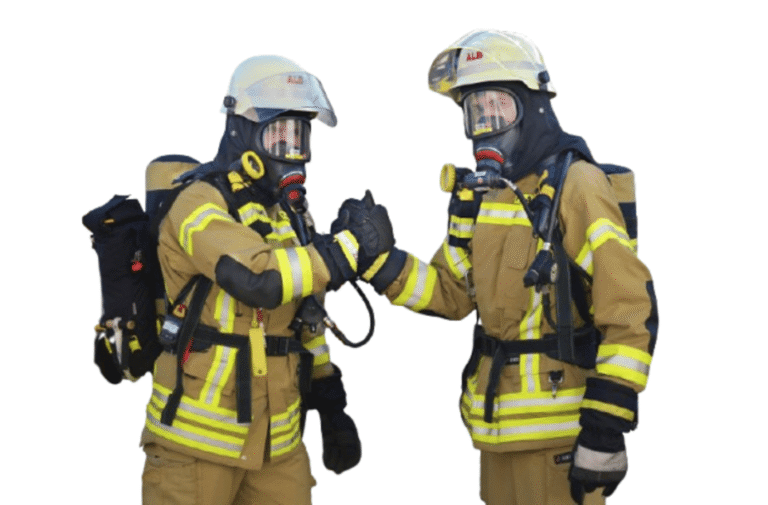
Head protection: AS/NZS 1801 compliant helmets for construction, AS/NZS 4067 for structural firefighting Eye and face protection: AS/NZS 1337.1 for various applications Respiratory protection: AS/NZS 1716 for particulate filters, AS/NZS 1715 for selection guidance Hand protection: AS/NZS 2161 series for various hazards Foot protection: AS/NZS 2210 series for different risk levels High-visibility clothing: AS/NZS 1906.4 and AS/NZS 4602 for various applications Protective clothing: Industry-specific standards for chemical, thermal, and biological protection
Conclusion
Australian safety standards provide a comprehensive framework for protecting workers across all industries. While the breadth of applicable standards can seem overwhelming, they reflect accumulated knowledge about workplace risks and effective control measures. For businesses, investing in understanding and implementing these standards is not merely a compliance exercise—it demonstrates commitment to worker wellbeing and can significantly reduce the human and financial costs of workplace injuries and illnesses.
As regulations continue evolving to address emerging risks like psychosocial hazards, digital work systems, and new chemical exposures, staying informed about standard updates is essential. Partnering with reputable safety equipment suppliers who understand Australian standards and can provide compliant products is a critical step in building and maintaining a safe workplace.
About Armofy: As a leading online supplier of workplace safety equipment in Australia, Armofy provides comprehensive PPE solutions meeting all relevant Australian standards. Our extensive product range covers every industry sector, backed by expert guidance to help you select the right equipment for your specific needs. Visit Armofy.com.au to explore our full catalogue and ensure your workplace meets the highest safety standards.